
11th Floor, Building 3, Nanshan Zhiyuan Chongwen Park, 3370 Liuxian Avenue, Nanshan District, Shenzhen 518055, Guangdong, P.R.China
0755-2690 5062
13th Floor, Tower A, Huigu Building, 768 Gaoxin Avenue, East Lake High-tech Development Zone, Wuhan 430206, Hubei, P.R.China
027-6349 6557
info@polarisic.com
hr@polarisic.com
About Us
News
Pioneering Commercial 3.2MP area SPAD Image Sensor in China
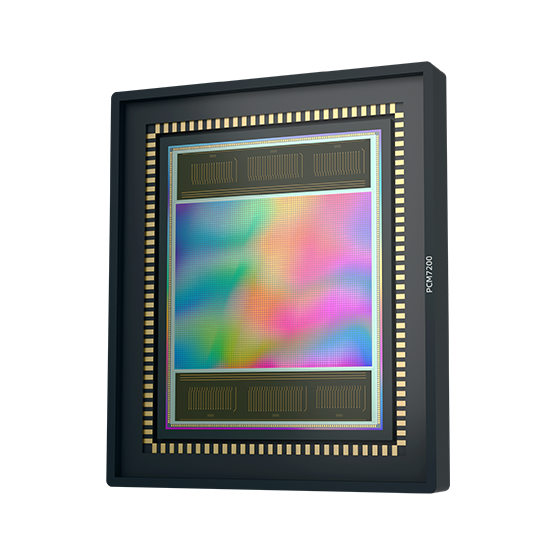
PCM7200

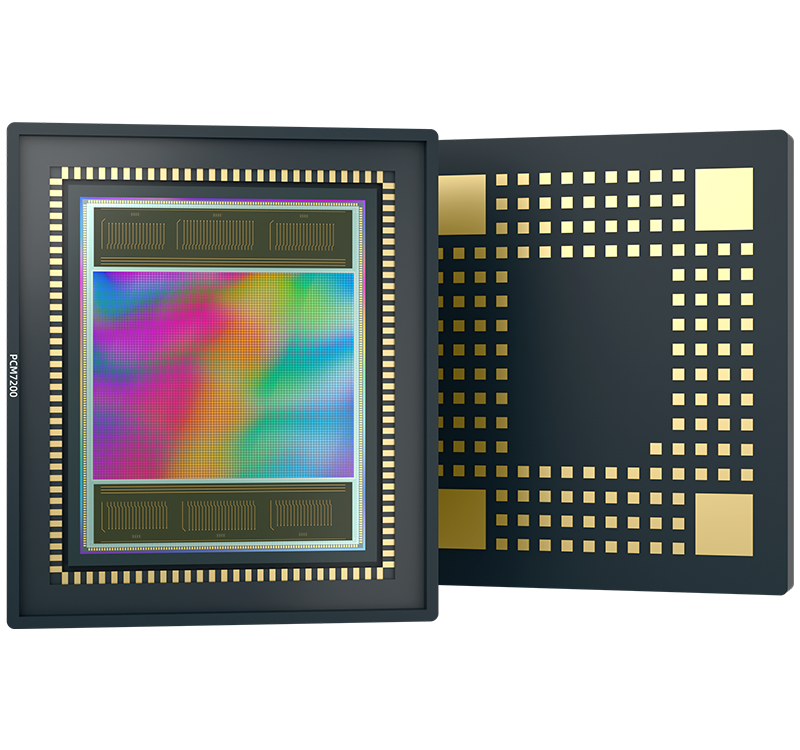
The PCM7200 is a high-sensitivity, high-performance image sensor chip based on SPAD Photon Counting Imaging (PCI) technology. Manufactured using a 3D stacking process, the sensor integrates 3.27MP(2080H × 1568V) Back-Side Illuminated (BSI) photosensitive pixels within a 1.3" optical format, with each pixel measuring 8.01μm × 8.01μm.

Benefiting from the superior photoelectric conversion performance of SPAD devices, the chip features photon-number resolving capability and zero read noise, maintaining high image quality even under extreme low-light conditions. Combined with proprietary low-power exposure technology, it simultaneously supports low-light, HDR, and high-frame-rate applications.

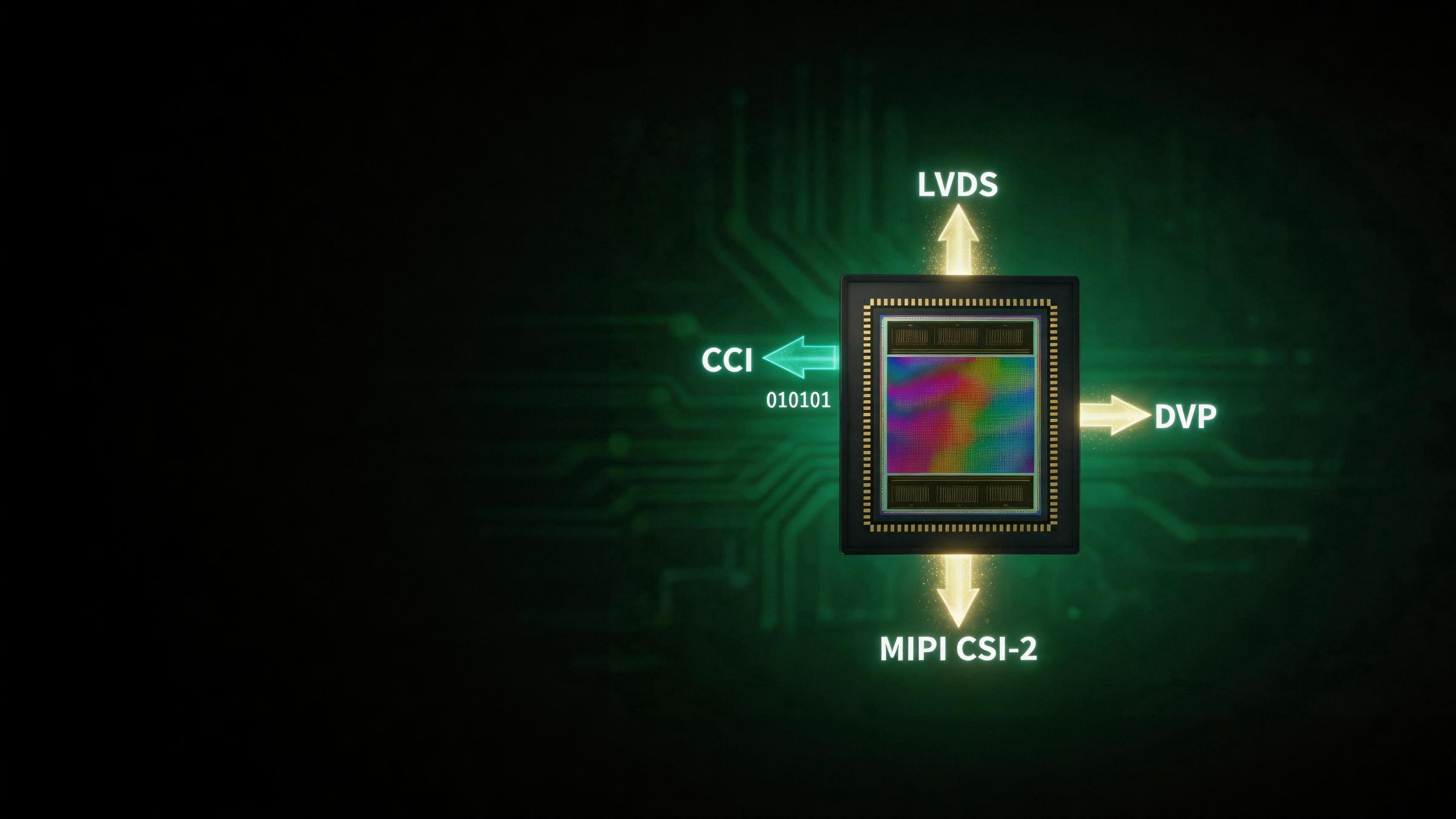
The sensor integrates LVDS, MIPI CSI-2, and DVP image transmission interfaces to adapt to diverse development and mass-production environments, uniformly configured via a standard CCI (I²C) interface. Adopting global shutter exposure, it supports flexible multi-region ROI and image cropping, along with on-chip image processing including test pattern generation, image flip, bit-depth conversion, defective pixel filtering, and pixel binning.The chip supports CFA or Micro Lens processing options, outputting RAW Bayer and Mono images respectively to cover both color and monochrome imaging requirements.

Photon Counting - Redefining Imaging
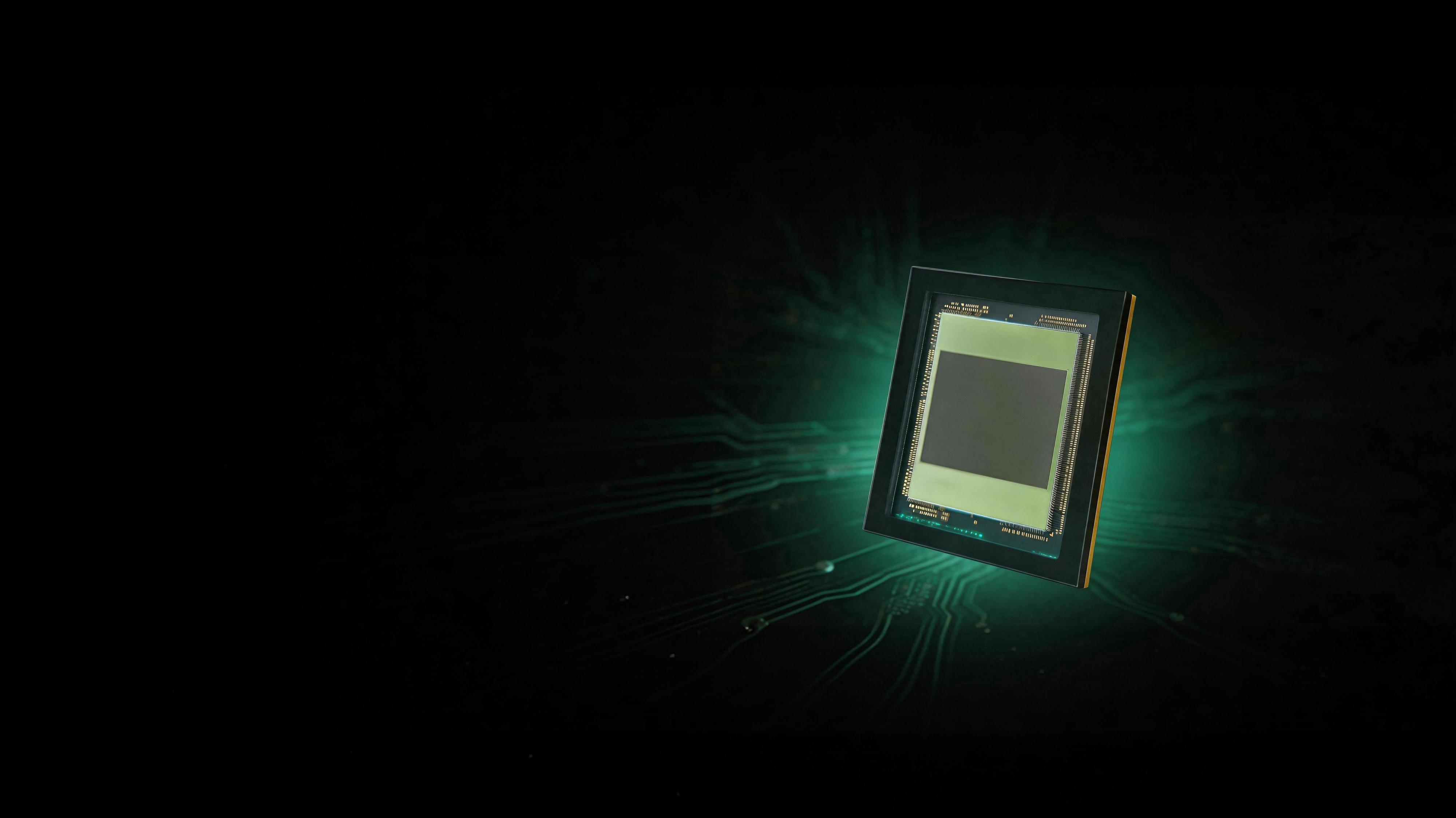
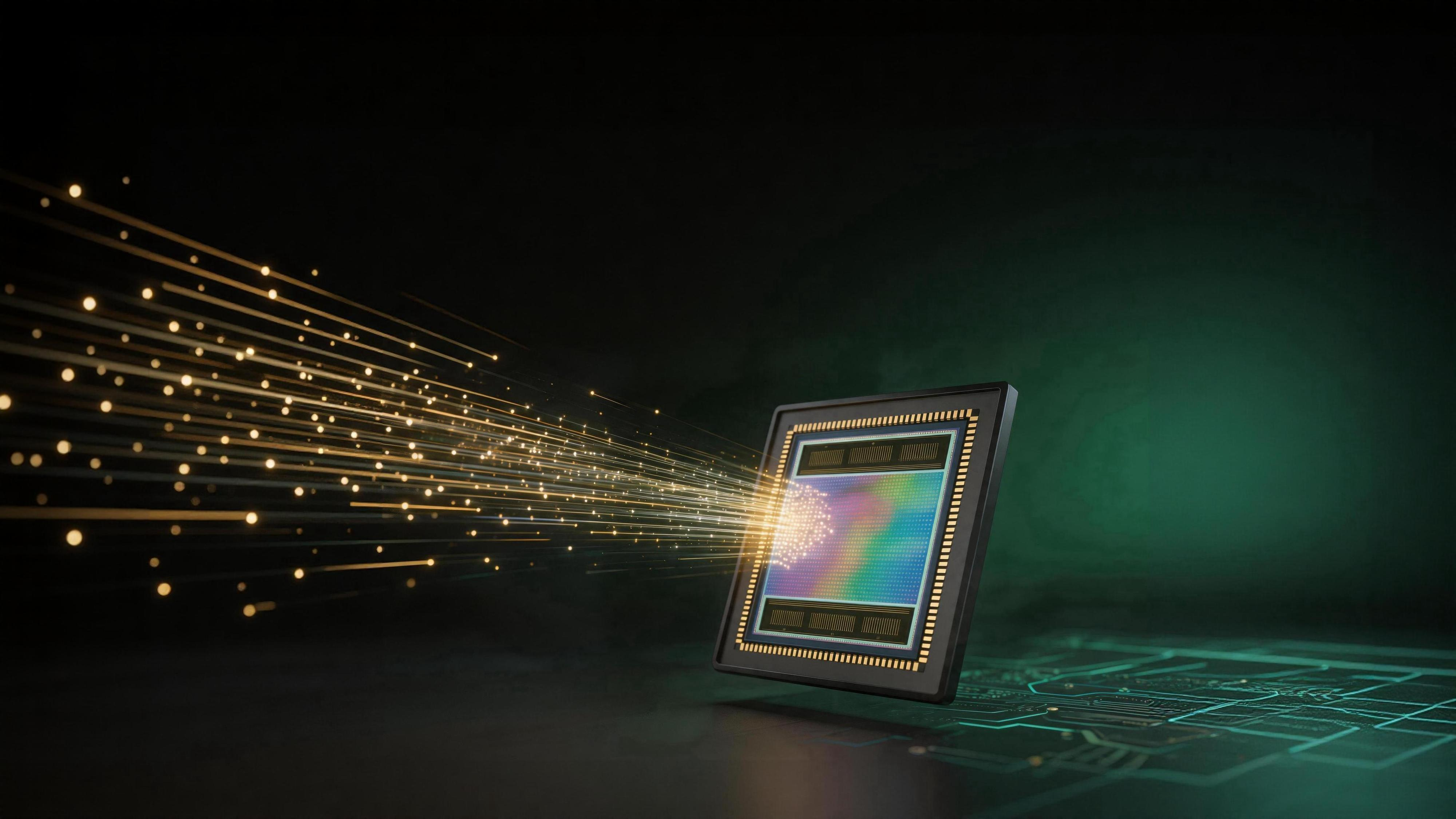
Leveraging advanced SPAD photon-counting imaging (PCI) technology, PCM7200 measures single photons through the avalanche effect and counts light directly in photons, the smallest quantum of light energy. This overturns the conventional imaging paradigm and delivers a step-change in performance.
PolarisIC Gen2
3D-Stacked BSI Platform
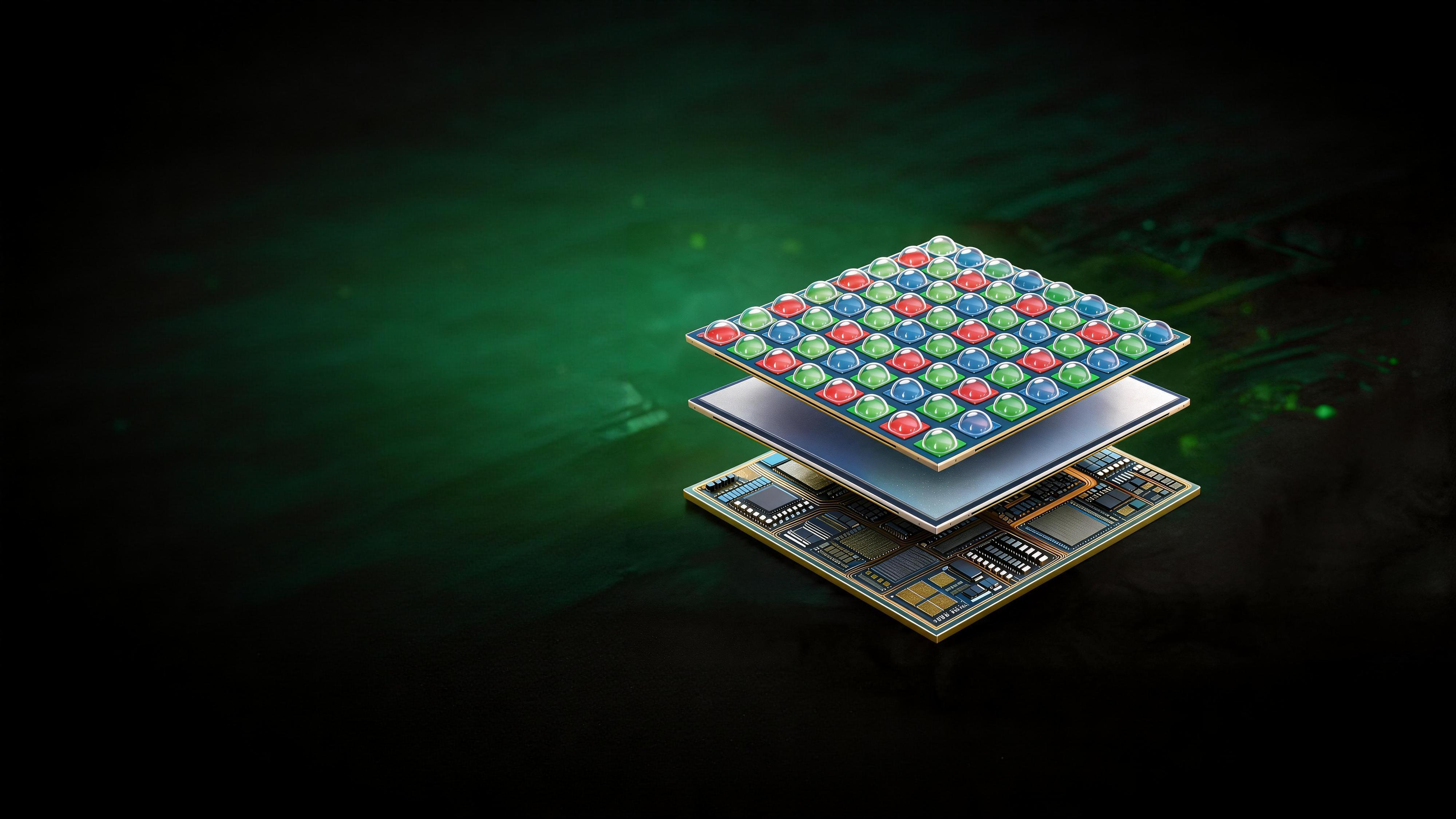
PCM7200 is built on the PolarisIC second-generation 3D-stacked backside-illuminated platform, delivering a 2080H × 1568V SPAD array at an 8 μm pixel pitch with the highest resolution in the industry.
PolarisIC Gen2
3D-Stacked BSI Platform
PCM7200 is built on the PolarisIC second-generation 3D-stacked backside-illuminated platform, delivering a 2080H × 1568V SPAD array at an 8 μm pixel pitch with the highest resolution in the industry.
Proprietary TunRes™ Low-Power Pixel Design

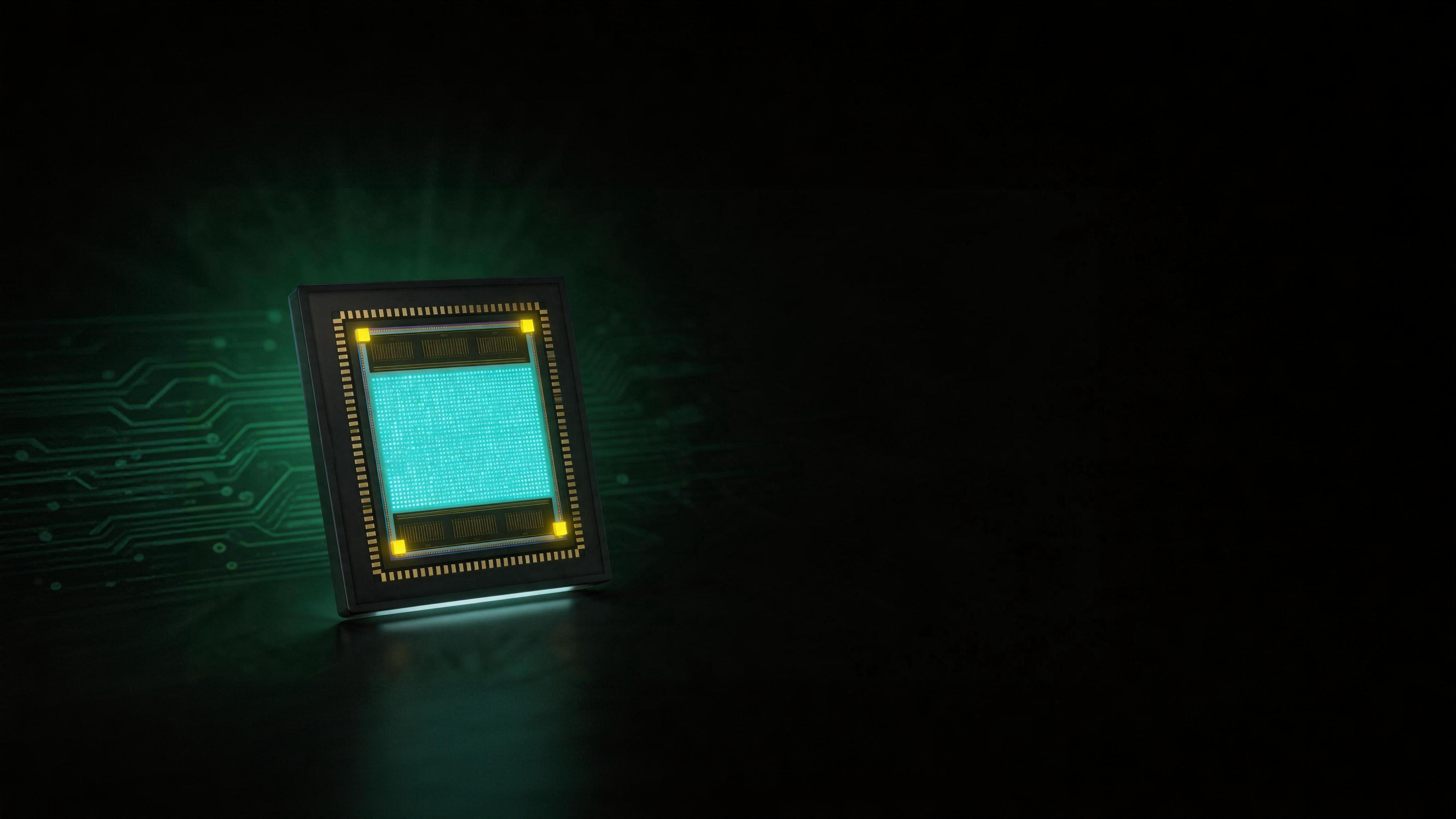
Featuring the proprietary TunRes™ tunable-response pixel technology, PCM7200 resolves the long-standing pain point of high power consumption in large-format SPAD arrays: dark-field power consumption<500 mW, bright-field power consumption<1000 mW.

Proprietary TunRes™ Low-Power Pixel Design

Featuring the proprietary TunRes™ tunable-response pixel technology, PCM7200 resolves the long-standing pain point of high power consumption in large-format SPAD arrays: dark-field power consumption<500 mW, bright-field power consumption<1000 mW.


Zero Read Noise Plus Single Photon for Ultra-Low-Light Sensitivity
Digitization is completed the moment a photon is received, inherently eliminating read noise and safeguarding signal-to-noise ratio in low light. PCM7200 captures clear images at illumination levels as low as 1/1000 lux, taking low-light and nighttime scenes in its stride.
Breaking the Sampling Bottleneck for Ultra-High Frame Rates

The photon-counting architecture distributes analog-to-digital conversion across both space and time, removing the constraints of conventional AD sampling and driving a step jump in frame rate. PCM7200 delivers over 1000 fps at full resolution, and Smart ROI pushes the frame rate even higher by narrowing the imaging window, freezing high-speed motion with ease.

Breaking the Sampling Bottleneck for Ultra-High Frame Rates

The photon-counting architecture distributes analog-to-digital conversion across both space and time, removing the constraints of conventional AD sampling and driving a step jump in frame rate. PCM7200 delivers over 1000 fps at full resolution, and Smart ROI pushes the frame rate even higher by narrowing the imaging window, freezing high-speed motion with ease.


100 dB Ultra-High Dynamic Range in a Single Frame
The non-linear response of SPAD provides native high dynamic range, while the digital pixel architecture enables exposure control with a high degree of freedom. PCM7200 supports 100 dB wide dynamic range in a single frame, effortlessly handling high-dynamic-range scenes.
Global Shutter for Effortless Motion Capture
PCM7200 employs a global shutter to eliminate motion distortion. Backed by ultra-high sensitivity, it handles nighttime motion scenes with ease and is free from smear and motion blur in low-light conditions.
Global Shutter for Effortless Motion Capture
PCM7200 employs a global shutter to eliminate motion distortion. Backed by ultra-high sensitivity, it handles nighttime motion scenes with ease and is free from smear and motion blur in low-light conditions.
Multi-Interface Design for Diverse Applications
Three data interfaces, LVDS, MIPI CSI-2 and DVP, are provided, with on-chip configuration through CCI (I²C FS). A single chip covers every stage from algorithm development and validation to volume-production integration.
Multi-Interface Design for Diverse Applications
Three data interfaces, LVDS, MIPI CSI-2 and DVP, are provided, with on-chip configuration through CCI (I²C FS). A single chip covers every stage from algorithm development and validation to volume-production integration.
Wide Spectral Range Two Versions Available
Wide spectral response spanning 300 to 1100 nm, with two selectable versions, RAW Bayer (CFA) and Mono (micro-lens), plus a rich set of pixel bit-depth and exposure-mode configurations to meet diverse imaging requirements.
Wide Spectral Range Two Versions Available
Wide spectral response spanning 300 to 1100 nm, with two selectable versions, RAW Bayer (CFA) and Mono (micro-lens), plus a rich set of pixel bit-depth and exposure-mode configurations to meet diverse imaging requirements.
Compact QFN Package Samples Now Available
The 80-pin QFN package version is now available as samples. Measuring 30.30±0.1×27.76±0.1mm, it combines a compact structure with excellent electrical and thermal performance and is easy to SMT-mount for volume production. Inquiries are welcome.
Compact QFN Package Samples Now Available
The 80-pin QFN package version is now available as samples. Measuring 30.30±0.1×27.76±0.1mm, it combines a compact structure with excellent electrical and thermal performance and is easy to SMT-mount for volume production. Inquiries are welcome.